
If you have ever struggled with scrambled eggs turning out dry, rubbery, or lackluster, adding cottage cheese is the ultimate culinary game-changer. Whisking fresh whole-milk cottage cheese directly into farm-fresh eggs infuses rich moisture, creates velvety pillowy curds, and boosts the protein content to nearly 20 grams per serving—all in under 10 minutes without a single drop of heavy cream.
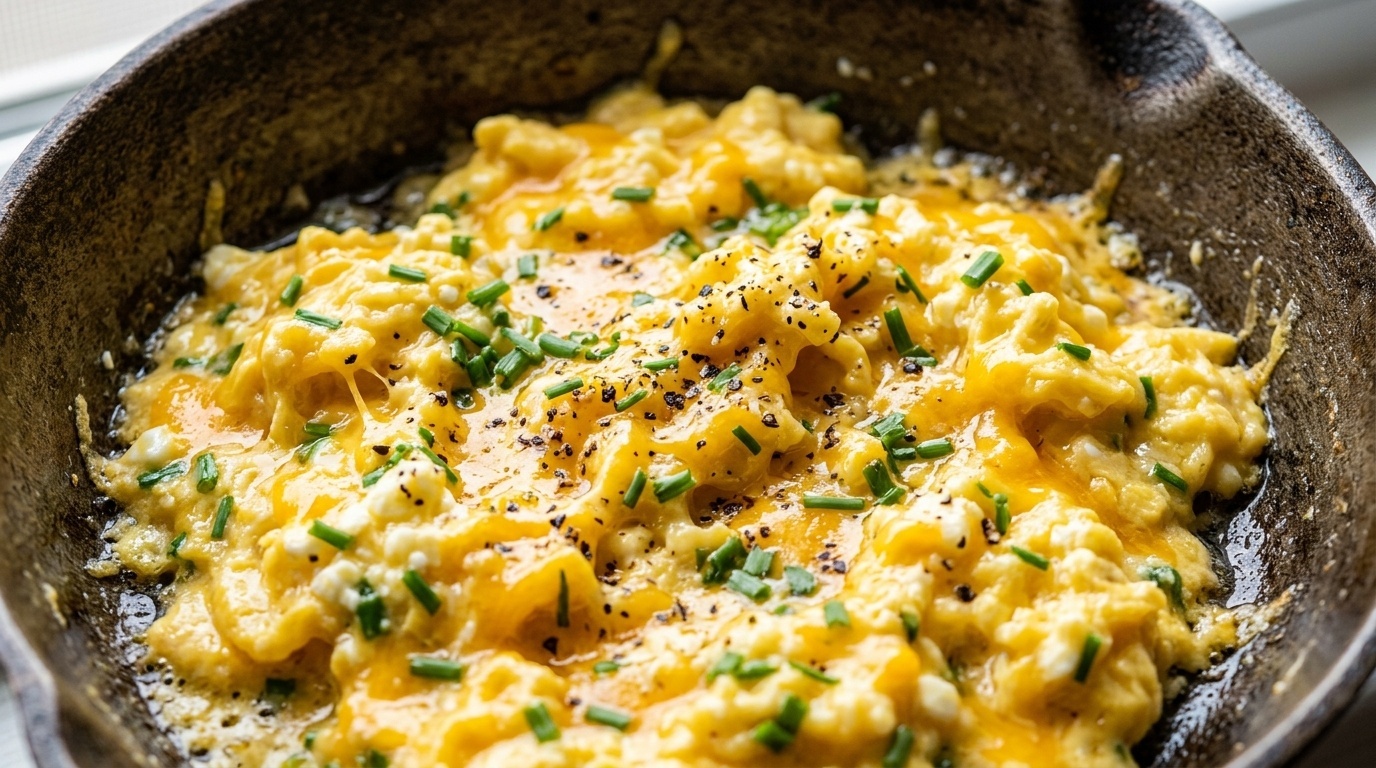
The secret behind this viral high-protein breakfast sensation lies in food science. Traditional scrambled eggs lose water rapidly as egg proteins coagulate under heat, leading to toughness. The natural moisture and milk proteins in cottage cheese buffer the egg curds from overcooking, while the mild curds melt seamlessly into warm, luscious ribbons. Whether you are meal-prepping for fitness goals or elevating your Sunday morning brunch, this simple skillet technique produces restaurant-caliber eggs every time.
Why You’ll Love This Recipe
- 18+ Grams of Natural Protein: Combining eggs with cottage cheese delivers a powerful punch of slow-digesting casein and whey protein that keeps you energized and satisfied all morning.
- Velvety & Impossibly Creamy: Cottage cheese replaces heavy cream or milk, creating plush, tender folds without watering down the golden egg flavor.
- Quick 10-Minute Cook Time: Requires minimal kitchen prep—simply crack, whisk, and gently fold in a warm skillet for a rapid weekday morning meal.
- Zero Noticeable “Cottage Cheese” Taste: The mild curds melt gently into the eggs, imparting a subtle buttery richness rather than an overpowering dairy bite.
Key Ingredients & Smart Swaps

- Large Eggs: Pasture-raised or farm-fresh eggs provide vibrant golden yolks and rich, savory flavor.
- Cottage Cheese: Use small-curd 4% whole-milk or 2% cottage cheese for the richest texture. Pro Hack: If you dislike visible curds, blitz the eggs and cottage cheese with an immersion blender for 10 seconds to create a silky, smooth egg custard!
- Unsalted Butter: Melting butter over gentle heat coats the skillet and adds traditional European breakfast richness without excess salt.
- Fresh Chives: Provides an aromatic, delicate onion sweetness that beautifully balances the rich, buttery eggs.
- Seasoning Touch: Kosher salt, freshly cracked coarse black pepper, and an optional tiny pinch of garlic powder enhance savory depth.
Step-by-Step Cooking Walkthrough
1. Aerate the Mixture: Whisk eggs, cottage cheese, salt, pepper, and garlic powder in a bowl for 60 seconds until light, bubbly, and well blended.
2. Warm Skillet on Medium-Low: Melt unsalted butter in a non-stick skillet over medium-low heat until frothy. Low, steady heat guarantees silky, tender curds without burning.

3. Sweep and Fold Gently: Pour eggs into the pan. Let sit for 20 seconds, then use a silicone spatula to sweep slowly from the edges toward the center, creating large, wavy, pillow-like curds.
4. Pull Off Heat While Soft: Remove skillet from the burner when eggs are 90% set and still slightly glossy. Residual heat finishes the cooking process on the plate for maximum tenderness.
3 Chef Secrets for Perfect Results
1. Respect Medium-Low Heat: Scrambled eggs should never sizzle or brown. High heat tightens egg proteins into rubber and causes dairy to weep watery liquid. Cooking gently over medium-low heat preserves cloud-like tenderness.
2. Blend for a Custard-Style French Scramble: If you or your family are hesitant about cottage cheese curds, run the eggs and cottage cheese through a blender or bullet cup for 10 seconds. The resulting batter cooks up into an impossibly luxurious, French-bistro style scrambled custard.
3. Use a Heat-Resistant Silicone Spatula: Metal utensils scrape non-stick pans and chop eggs into dry crumbs. A wide, flexible silicone spatula hugs the curved contours of your skillet, allowing you to lift and roll large, elegant ribbons with zero sticking.
What to Serve With Fluffy Scrambled Eggs

- Toasted Artisan Breads: Serve atop thick, toasted sourdough, toasted English muffins, or warm brioche with salted butter.
- Fresh Healthy Sides: Sliced ripe avocado, blistered cherry tomatoes, or an arugula salad tossed with lemon juice and olive oil.
- Crispy Breakfast Proteins: Pair with crispy thick-cut applewood smoked bacon, maple breakfast sausage links, or smoked salmon ribbons.
Storage, Freezing & Reheating Instructions
- Refrigeration: While scrambled eggs are best enjoyed fresh off the skillet, leftovers can be refrigerated in an airtight glass container for up to 3 days.
- Gentle Reheating: Reheat in 20-second bursts in the microwave at 50% power, or warm gently in a non-stick skillet with a dab of melted butter over low heat just until warmed through.
- Freezing: We do not recommend freezing scrambled eggs containing cottage cheese, as the ice crystal formation will alter the delicate protein structure upon thawing.
Fluffy Cottage Cheese Scrambled Eggs
Ingredients
Method
- Whisk the Eggs & Cottage Cheese: Crack the eggs into a medium mixing bowl. Add cottage cheese, kosher salt, black pepper, and garlic powder. Whisk vigorously for 45 to 60 seconds until fully incorporated and light. The small curds will naturally melt into luxurious creamy pockets as they cook, or blend with an immersion blender for completely smooth custard.
- Gently Melt the Butter: Place a medium non-stick skillet over medium-low heat. Add unsalted butter and allow it to melt slowly until bubbling gently. Swirl the skillet so the bottom and lower sides are evenly coated with melted butter.
- Pour & Begin Soft Folding: Pour the egg mixture into the warm skillet. Let sit undisturbed for 20 to 30 seconds until the edges barely begin to set. Using a heat-resistant silicone spatula, slowly sweep from the outer edges toward the center of the pan, forming large, soft, pillowy curds.
- Maintain Gentle Heat: Continue folding gently every few seconds over medium-low heat for 3 to 4 minutes. Allow the uncooked liquid egg to flow onto the hot pan surface. Do not stir rapidly or break the curds down into fine grains.
- Remove While Glistening: Pull the skillet off the heat while the eggs still look slightly soft and glistening. The residual heat from the pan will finish setting the curds without drying them out or causing watery separation.
- Garnish & Serve: Spoon the fluffy eggs onto warm plates alongside toasted sourdough and sliced avocado. Sprinkle generously with fresh minced chives, cracked black pepper, and a pinch of flaky sea salt. Serve immediately!
Nutrition
Tried this recipe?
Let us know how it was!Frequently Asked Questions
Can I taste the cottage cheese in these eggs?
Not at all! As the eggs gently scramble, the cottage cheese melts into creamy, buttery pockets. It adds luxurious moisture and mild creaminess rather than a sour or overpowering flavor.
Can I use fat-free cottage cheese?
You can, but 2% or 4% whole-milk cottage cheese produces significantly creamier, fluffier results. Fat-free varieties have higher water content, which can cause slight weeping in the skillet.
Can I add vegetables or cheese?
Yes! Sautéed baby spinach, caramelized onions, diced bell peppers, or a handful of sharp cheddar or feta fold beautifully into these eggs right before pulling them off the heat.
Pin This Recipe for Later
Love this recipe? Save this pin to your favorite Pinterest breakfast board so you have it ready whenever you need a fast, high-protein morning meal!