
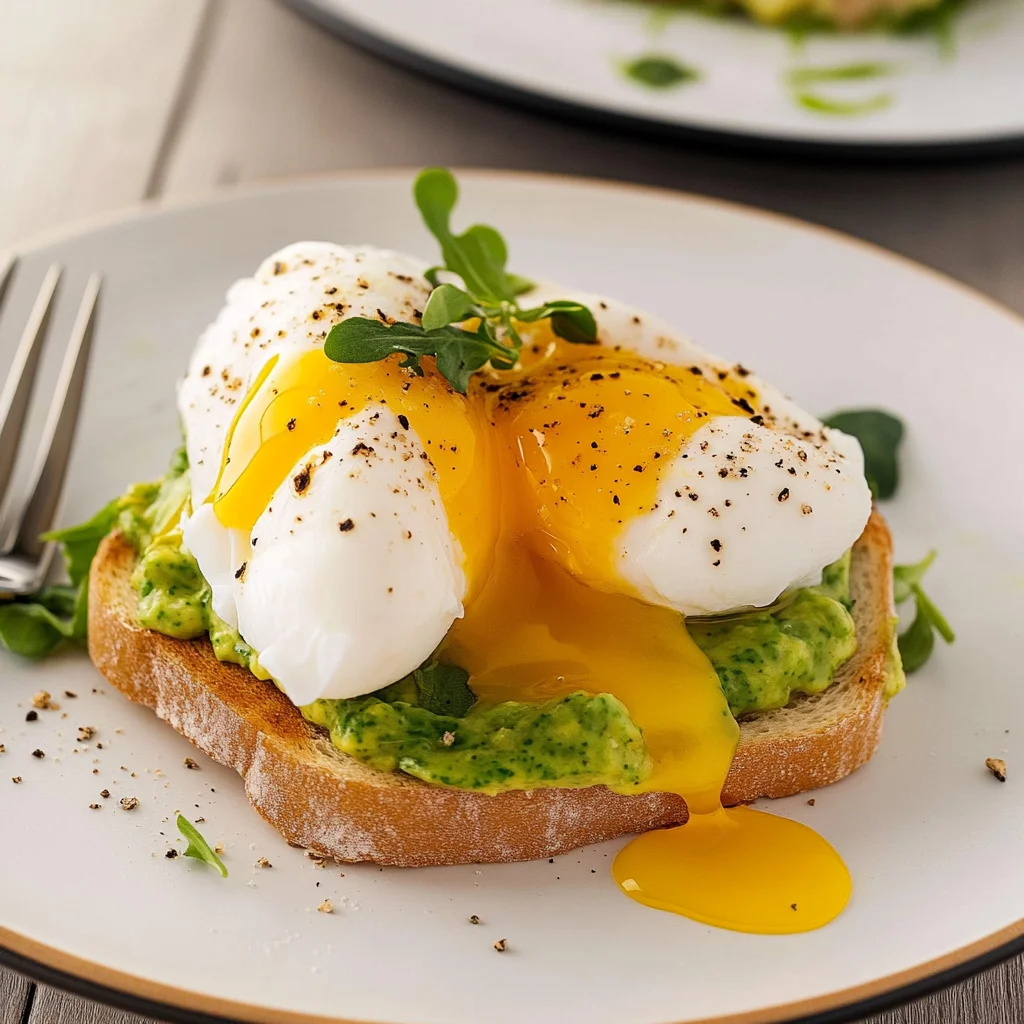
Imagine the moment you slice into a perfectly poached egg, and the golden yolk oozes out like a tiny sunburst, enveloping your toast in a rich, velvety embrace. The tender whites cradle that luscious center, creating a delightful contrast in textures that dance on your palate, making every bite an experience worth savoring. With each forkful, you can almost hear the jubilant chorus of brunch enthusiasts celebrating the glory of poached eggs how to create this luscious masterpiece.
As I reminisce about my first attempt at mastering this culinary art, I can’t help but chuckle at the sheer chaos of it all—water splashing everywhere and eggs tumbling like acrobats in a circus act. Yet, there’s something undeniably magical about the aroma that wafts through the kitchen as they simmer gently; it’s an invitation to gather around the table with friends and family. So whether it’s a lazy Sunday morning or a bustling weekday breakfast, let’s dive into this delicious journey together and unlock the secrets of poached eggs.
Why Will You Keep Making poached eggs how to?
Perfectly poached eggs are a breakfast game-changer! With just a few ingredients, you can create a dish that’s both elegant and satisfying.
- Fresh eggs give you that beautiful runny yolk and tender whites.
- Simple technique: poaching is quick—only 10 minutes from start to finish!
- Versatile meal: serve them on toast, salads, or even as a topping for grain bowls.
- Crowd pleaser: impress family and friends with this classic brunch favorite.
- Healthy option: low in calories yet high in protein, making it a guilt-free indulgence!
Ingredients for poached eggs how to
For the Eggs
- 4 large eggs – Fresh eggs are recommended for best results to achieve that perfect runny yolk.
For the Water
- 4 cups water – This is essential for poaching your eggs gently and evenly without sticking.
For the Vinegar
- 1 tablespoon white vinegar – The vinegar helps to coagulate the egg whites, ensuring they stay together while cooking.
For Seasoning
- Salt, to taste – Add a pinch of salt for flavor; it enhances the overall taste of your poached eggs.
Step-by-Step poached eggs how to

1. Prepare the Water: Fill a saucepan with 4 cups of water and add 1 tablespoon of white vinegar. Heat over medium until it reaches a gentle simmer, creating the perfect environment for your eggs.
2. Crack the Eggs: Crack each of the 4 large eggs into a small bowl. This will make it easier to slide them gently into the simmering water, ensuring minimal breakage and a beautiful presentation.
3. Create a Whirlpool: Using a spoon, create a gentle whirlpool in the simmering water. Carefully slide each egg into the center of the whirlpool. Cook for about 3-4 minutes, watching as the whites set beautifully while keeping those golden yolks delightfully runny.
4. Remove and Serve: Use a slotted spoon to lift the poached eggs from the water. Let them drain briefly before seasoning with salt to taste, making them ready for serving on toast or salad.
Optional: Serve with fresh herbs or a sprinkle of paprika for added flavor!
Exact quantities are listed in the recipe card below.
Pro Tips for poached eggs how to
- Fresh Eggs Matter: Use the freshest eggs possible. They hold their shape better, resulting in more beautiful and appealing poached eggs.
- Vinegar’s Role: Don’t skip the vinegar! It helps the egg whites coagulate quickly, preventing them from spreading too much in the water.
- Simmer, Don’t Boil: Keep the water at a gentle simmer. Boiling water can break apart the eggs and lead to messy results.
- Whirlpool Technique: Create a gentle whirlpool before adding the eggs. This helps them maintain a nice oval shape while cooking.
- Timing is Key: Monitor your timing closely—3-4 minutes is ideal for perfectly runny yolks. Overcooking will lead to firm yolks instead of that luscious runny goodness.
- Use a Slotted Spoon: When retrieving your poached eggs, use a slotted spoon to allow excess water to drain off, keeping your plate clean and presentation pristine.
How to Store and Freeze poached eggs how to
- Fridge: Keep leftover poached eggs in an airtight container for up to 3 days. Lightly cover them with plastic wrap to retain moisture.
- Reheating: To reheat, submerge the poached eggs in hot water for about 2 minutes until warmed through. This helps preserve their runny yolk.
- Freezer: While not ideal, you can freeze poached eggs by placing them on a parchment-lined baking sheet first. Once frozen, transfer them to a freezer bag for up to 1 month.
- Thawing: Thaw frozen poached eggs overnight in the fridge before reheating. Avoid refreezing after thawing to maintain quality.
poached eggs how to Your Way
Feel free to explore these delightful variations that will elevate your poached eggs to new heights!
- Herbed Delight: Add fresh herbs like chives or dill to the poaching water for an aromatic twist. The herbs infuse a subtle flavor into the eggs, making each bite refreshing and vibrant. This simple addition can transform your breakfast into a gourmet experience.
- Spicy Kick: Mix in a pinch of red pepper flakes into the poaching water for a hint of heat. The warmth from the spice complements the runny yolk beautifully, adding excitement to your dish. It’s perfect for those who enjoy a little zing in their morning routine.
- Creamy Addition: Top your finished poached eggs with a dollop of crème fraîche or sour cream for extra richness. This creamy layer enhances the texture, making every bite indulgent and smooth. It’s a luxurious upgrade that’s surprisingly easy to do!
- Smoky Flavor: Incorporate smoked paprika into your seasoning for a deep, smoky taste. Just a sprinkle over the finished eggs provides a warm, complex flavor that pairs wonderfully with the delicate whites and rich yolks. You’ll love how this adds depth to your dish!
- Veggie Boost: Serve your poached eggs atop sautéed spinach or roasted tomatoes for added nutrition and color. The vegetables not only enhance flavor but also create a beautiful presentation on your plate. This is an excellent way to sneak in some greens at breakfast!
- Cheesy Indulgence: Grate some sharp cheddar or crumbled feta over the hot egg just before serving for an extra flavor burst. The cheese melts slightly, creating a deliciously creamy topping that elevates your poached eggs to another level. It’s comfort food at its finest!
- Zesty Citrus: Drizzle fresh lemon juice or add lemon zest right before serving for a bright finish. The citrus notes cut through the richness of the yolk beautifully, providing balance and freshness in each bite. It’s like sunshine on your plate!
Make Ahead Options

Preparing poached eggs how to can be a delightful addition to your meal prep routine, making breakfast or brunch a breeze during busy mornings. You can easily crack the eggs into small bowls and fill a saucepan with 4 cups of water mixed with 1 tablespoon of vinegar the night before; just bring this mixture to a gentle simmer when you’re ready to enjoy your meal. For optimal freshness, poached eggs can be stored in the refrigerator for up to 3 days. When it’s time to serve, simply reheat them gently in warm water for about 2-3 minutes until heated through, then season with salt. This way, you’ll have perfectly poached eggs ready to impress without any hassle!
poached eggs how to Recipe FAQs
Why should I use fresh eggs for poaching?
Fresh eggs create the best poached eggs because their whites are firmer and hold together better in the water. This results in a more aesthetically pleasing egg with tender whites and a beautifully runny yolk. Aim for eggs that are less than a week old for optimal results.
What kind of vinegar should I use for poaching eggs?
While white vinegar is commonly used due to its neutral flavor, you can also use apple cider vinegar or even champagne vinegar if you want a slight twist. Just remember, the acidity helps coagulate the egg whites, keeping them from spreading too much in the water.
How do I store leftover poached eggs?
If you have leftover poached eggs, store them in an airtight container in the refrigerator for up to 2 days. To reheat, gently warm them by placing them in simmering water for about 1-2 minutes until heated through. This method helps maintain their texture without overcooking.
Can I freeze poached eggs?
While you can technically freeze poached eggs, it’s not recommended as their texture may become rubbery once thawed. If you want to prepare ahead, consider cooking the eggs slightly less than usual and then freezing them; they can be reheated with care later on.
What if my egg whites spread out too much during cooking?
If you find that your egg whites spread while poaching, it could mean the water isn’t at a gentle simmer or your eggs aren’t fresh enough. Make sure you’re bringing the water to just below boiling (a gentle simmer) before adding your eggs and try using fresher eggs next time.
What’s a good serving size for poached eggs?
Typically, one large egg per person is a great serving size for breakfast or brunch. Since this recipe makes 4 servings with 4 large eggs total, it’s perfect for a small gathering or family meal, allowing everyone to enjoy their perfectly poached egg alongside toast or salad!
Poached Eggs
Ingredients
Method
- Fill a saucepan with 4 cups of water and add 1 tablespoon of vinegar. Bring to a gentle simmer over medium heat.
- Crack each egg into a small bowl. Create a gentle whirlpool in the simmering water and carefully slide each egg into the center. Cook for 3-4 minutes until the whites are set but the yolks remain runny.
- Use a slotted spoon to remove the poached eggs from the water. Drain briefly and season with salt before serving.